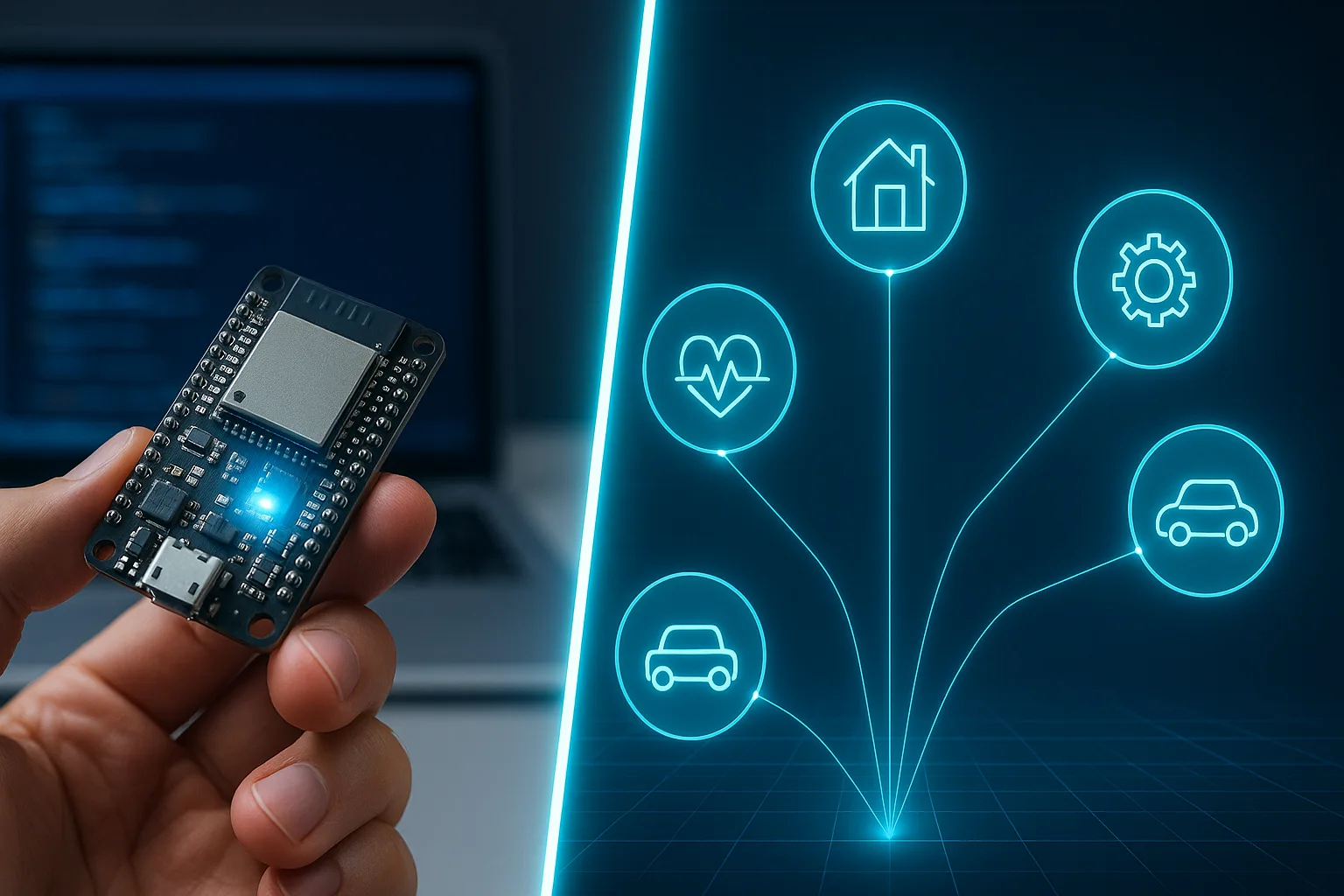
Smart devices are now everywhere. From home gadgets to city systems, everything connects through the internet and works together. This rapid change makes people curious about what is an IoT developer responsible for and why this role matters.
Every smart device needs someone who builds it, connects it, and keeps it running smoothly. That’s where an IoT developer steps in. They help companies create better products, improve daily tasks, and turn simple ideas into real solutions. As more devices join the digital world, this job becomes even more important.
Introduction to IoT Development
IoT is a big part of today’s tech world because devices can now collect data, talk to each other, and work automatically without much human help. This fast growth comes from the need for smarter homes, safer cities, modern farms, and better healthcare. Connected devices make daily tasks easier, save time, and help companies understand problems before they happen.
An IoT developer builds the systems behind these smart devices. They make sure the device can sense things, send data, and respond correctly. Their work supports many areas like smart home lights, farm sensors that track soil, hospital monitors that watch patients, and city systems that manage traffic. For every connected device, there is an IoT developer making sure it works smoothly from start to finish.
These developers mix hardware knowledge with software skills. They write code, set up cloud systems, test features, and fix issues so everything stays reliable. Their job is important because industries now depend on real-time data and automation to stay efficient and safe.
What Is an IoT Developer Responsible For?
In today’s world, almost everything carries a touch of smart tech. Homes adjust their own lights, watches track our health, farms use tiny sensors to check soil, and city systems manage traffic by reading live data. This happens because devices can now talk to each other through the internet and share information smoothly. IoT keeps growing fast because people want tools that save time and make life easier.
Behind these connected systems, an IoT developer makes sure everything works the way it should. They understand how a device senses things, how the data travels, and how the whole setup responds in real time. Their work shows up in everyday places, whether it’s a smart home that learns your routine, a hospital monitor that sends updates, or a farming tool that waters only when needed.
To make all this possible, an IoT developer handles several important tasks, such as:
- Helping devices collect clean and reliable data
- Making sure information moves safely between hardware and cloud
- Testing features so the system stays stable
- Fixing issues when devices act differently than expected
The role needs calm thinking because every device behaves in its own way. Some parts deal with sensors, others run code, and some live on the cloud. The goal remains the same: keep the system connected, safe, and running without trouble so people enjoy technology that feels natural.
Market Demand and Industry Growth
In today’s world, almost everything carries a touch of smart tech. Homes adjust their own lights, watches track our health, farms use tiny sensors to check soil, and city systems manage traffic by reading live data. This happens because devices can now talk to each other through the internet and share information smoothly. IoT keeps growing fast because people want tools that save time and make life easier.
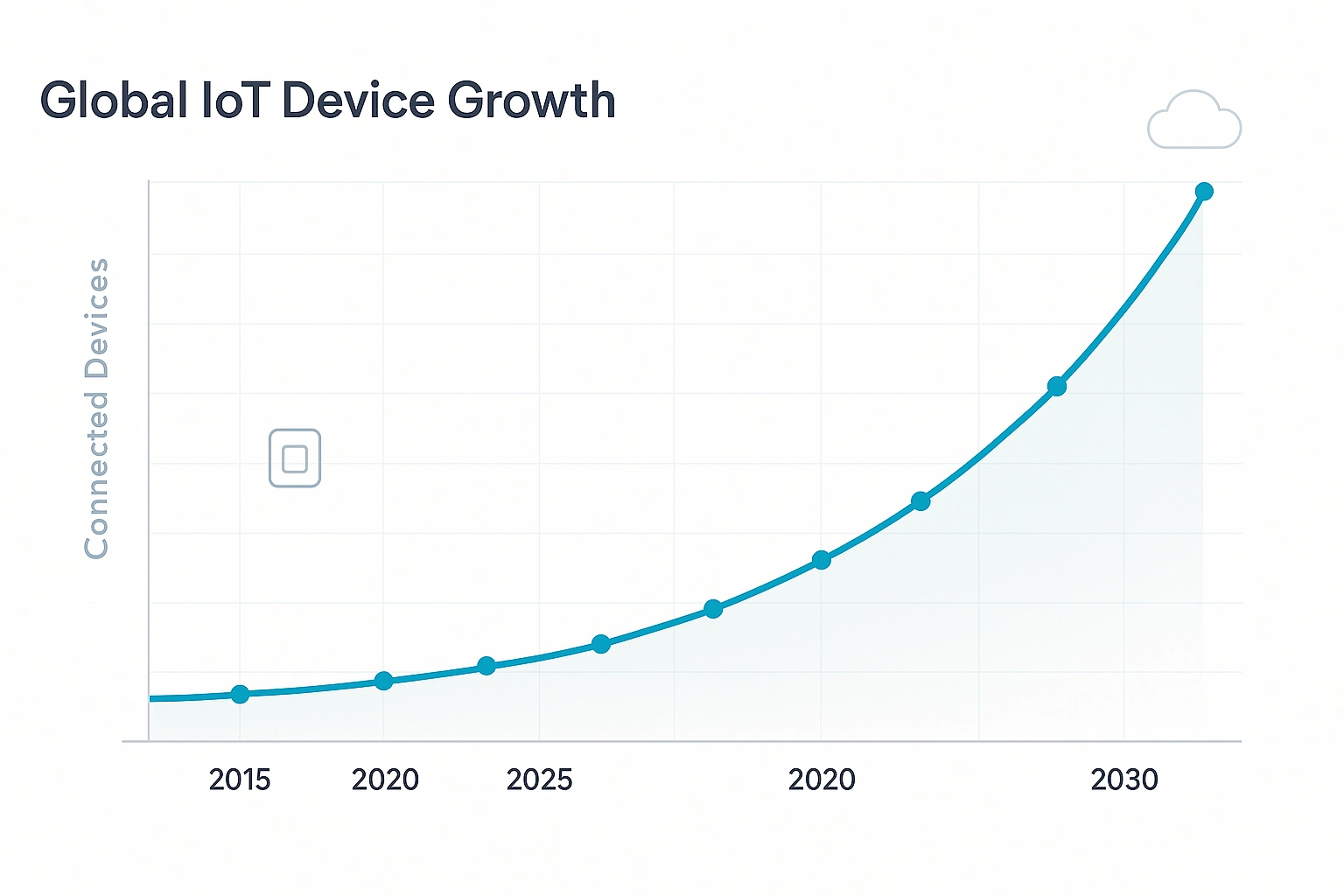
Here’s the latest scoop with some fresh numbers I just checked from reports this year:
- The global IoT market is already pushing past $1 trillion in 2025, with most experts saying it’s sitting between $1.06 trillion and $1.35 trillion depending on who’s counting (Statista has it at $1.06T, Mordor Intelligence closer to $1.35T)
- Looking ahead, it’s gonna keep climbing fast, hitting anywhere from $1.7 trillion to $2.7 trillion by 2030 with growth rates of 10% to 16% a year on average
- Right now, in November 2025, there are about 21.1 billion actives connected IoT devices out there (that’s up 14% from last year according to IoT Analytics’ latest update)
- Businesses and factories account for over 60% of the money being spent, way more than just consumer toys
- The hottest areas pouring in cash: manufacturing with all those smart factories, transportation and logistics, healthcare stuff like remote patient monitors, smart cities fixing traffic and lights, and everyday consumer gadgets
- Asia-Pacific is racing ahead as the fastest-growing region, then North America, and Europe right behind
It’s not only about cranking out more cheap sensors anymore. Nah, it’s real systems that chat with each other, figure things out from the data on their own, and fix problems without someone babysitting them. Sensors got way cheaper, cloud services are everywhere, and new rules around security are finally letting even medium-sized companies jump in without freaking out about hacks.
I talk to people in the industry, and the vibe is the same everywhere: if your company isn’t using IoT yet, you’re basically handing advantages to competitors who are already saving big on energy, predicting breakdowns, and making customers happier.
Core Responsibilities of an IoT Developer
An IoT developer manages the work that helps smart devices talk to each other and react in real time. They plan how a system should work, choose the right tools, and make sure data reaches the cloud safely. Their goal is to keep every device connected so the whole setup feels smooth and reliable.
This role also involves understanding how sensors behave, how information travels, and how each part responds under different conditions. Many industries depend on this work because a stable IoT system can save time, reduce errors, and improve everyday tasks.
Designing and Building IoT Architectures
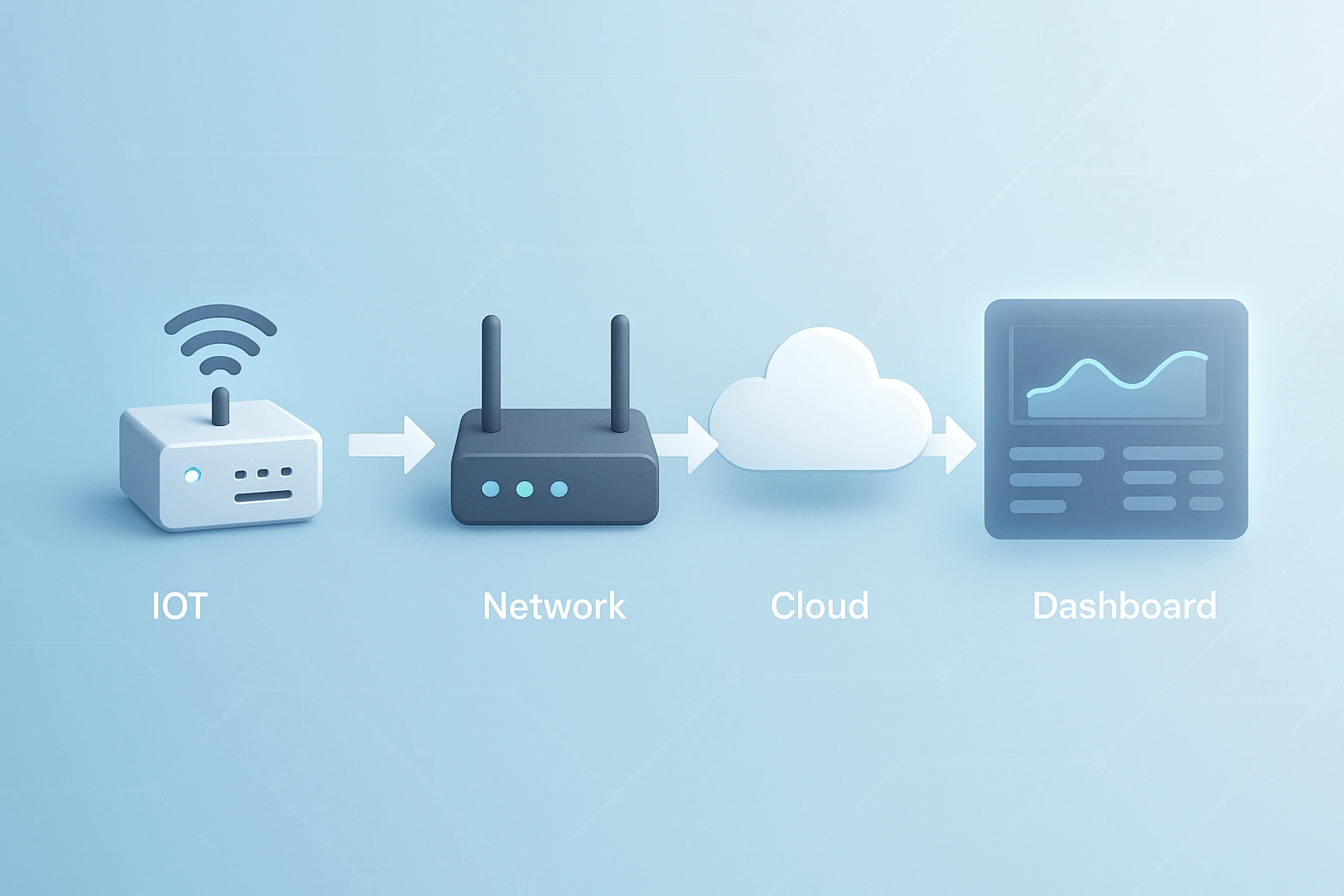
This is honestly the make-or-break part of any IoT project. You’re not just slapping code together; you’re creating a whole system that has to stay alive for years, handle thousands or millions of devices, and still be cheap enough that the boss doesn’t freak out.
Here’s what it really boils down to on a daily basis:
- Mapping the full data flow: device → (optional gateway) → cloud, making sure nothing gets lost even when the connection sucks
- Picking the smart protocols: MQTT for almost everything because it’s light and reliable, CoAP when the device is tiny and battery is sacred, plain HTTP only when you have no choice. Read More in this Guide.
- Building for scale and survival: the system has to grow from 50 devices to 50,000 without rewriting everything, stay up during outages, and not bleed money on data transfer
That’s it in a nutshell. Get this layer right and the rest of the project feels easy. Get it wrong and you’re stuck fixing fires forever.
Embedded Programming and Hardware Integration
Bro, this is the dirty-hands part of IoT that most “clean” developers run away from. You’re not sitting in VS Code with a hot reload and a million tabs open. You’re often on the floor with a multimeter in one hand, a tiny screwdriver in the other, praying the chip doesn’t get fried by static from your hoodie.
Your code literally runs on something the size of a postage stamp, with maybe 512 KB of RAM if you’re lucky, and it has to keep working when the power flickers or the temperature swings from freezing to oven-hot. One single pointer mistake and the whole thing crashes forever until you drag out the programmer cable again.
Here’s the real daily grind:
- Wiring up sensors (temperature, motion, pressure, gas, whatever) to microcontrollers and making sure they actually give sane numbers instead of random garbage
- Picking your weapon: ESP32 when you need Wi-Fi + Bluetooth on the cheap, Arduino when the client wants something they already know, Raspberry Pi when you need cameras, AI, or a proper operating system
- Writing the actual firmware: 95% of the time it’s straight C or C++ because speed and size matter, but lately MicroPython or CircuitPython on ESP32-S3 and RP2040 is saving everyone’s sanity when you just need to get something working fast
I still remember my first real project: a soil moisture sensor that had to run for a year on two AA batteries in a farmer’s field. Spent three nights just getting the ESP32 to sleep deep enough without missing wake-ups. When it finally sent the first reading after a week in the dirt, I literally jumped. That feeling never gets old, and no web dev job has ever given me that same high.
Backend, Cloud, and Data Processing
The backend is where all the information from devices gets organized, stored, and understood. An IoT developer sets up the cloud so data arrives safely and can be used without delay. They choose the right cloud tools, prepare the data flow, and make sure the system can handle constant updates. This work decides how fast a device responds and how much information the system can manage at one time.
Once the cloud setup is ready, the developer builds the parts that let apps and dashboards talk to the system. They create paths for data to move, design simple ways for users to view information, and make sure everything stays smooth even when many devices are connected. Good backend work helps people make clear decisions based on fresh, real-time data.
Common tasks in this stage include:
- Using cloud platforms like AWS IoT, Azure IoT, or Google Cloud IoT
- Setting up data pipelines that collect and clean information
- Preparing analytics so patterns and changes are easy to spot
- Building APIs and dashboards that show data in a simple, useful way
Security, Encryption, and Device Protection
Every IoT system needs strong safety measures because devices stay active all the time and share sensitive data. An IoT developer makes sure each part of the system is protected from the moment it starts working. They keep the firmware updated, watch how the device behaves, and add layers of protection so no one can change the system without permission. Good security keeps the device stable and protects the people who use it.
A big part of the job is understanding how attacks happen and how to stop them before they cause any damage. The developer sets rules for who can access the system, how data should be locked, and what should happen if something looks suspicious. These steps help the system stay safe even when many devices are working together.
Important responsibilities in this area include:
- Sending safe firmware updates that fix bugs and improve protection
- Adding authentication so only trusted users and devices get access
- Using encryption to hide data while it moves through the network
- Checking for weak spots and blocking threats before they spread
Technical Skills Every IoT Developer Needs
An IoT developer works with different tools and technologies, so they need a mix of skills that help devices, software, and cloud systems work together. These skills make sure the device can collect the right data, send it safely, and respond without delay. A strong skill set also helps the developer fix issues faster and build systems that stay stable even when many devices are connected.
Common skills include:
- Understanding programming languages used in IoT projects
- Knowing how sensors and microcontrollers behave
- Setting up cloud tools that process and store data
- Solving issues when devices act differently than expected
Most of the work happens across sensors, code, and cloud platforms. Because each project has its own needs, the developer must know how to adjust their approach quickly. With the right skills, they can move smoothly from writing code to testing hardware or setting up the cloud.
Programming Languages & Frameworks
Most IoT projects start with code, and the developer has to choose the language that fits the device and the task. Some devices run on tiny chips with very limited power, so the code must be light and efficient. In these cases, languages like C or C++ help the device respond quickly and manage its sensors without slowing down. Other projects need more flexible options, especially when the system connects to the cloud or handles complex logic. For that, developers often use Python or Java, which make testing and building features easier.
Along with languages, frameworks also play a big part. They help the developer set up communication paths, organize the code, and keep the system stable as it grows. These tools save time and reduce mistakes because the basic structure is already in place. Each framework has its own strengths, so the developer picks the one that matches the project’s size and purpose. With the right mix of languages and tools, even a small device can handle tasks that seem much bigger than its size.
Hardware & Networking Expertise
IoT work starts with understanding how small devices behave in real conditions. An IoT developer learns how different boards react to power changes, heat, or constant use. They work with tools like ESP32, Arduino, and Raspberry Pi and choose the one that fits the project. This helps them handle sensors more confidently and solve issues without wasting time.
Networking is just as important because every device must stay connected. The developer needs to know which communication method gives the best mix of speed, range, and battery life. Some projects use WiFi for fast updates, while others depend on Bluetooth, Zigbee, or LoRa for longer distances and low power.
Key areas they focus on include:
- Picking the right board for the device
- Testing how sensors behave under different conditions
- Choosing the best communication method
- Adjusting settings so data moves smoothly
Good hardware knowledge and steady networking skills keep the whole system stable. Even when many devices are active, the setup stays responsive and ready for real-time tasks.
Cloud, Databases & Edge Computing
IoT systems send a constant flow of information, so the cloud becomes the place where everything gets organized. An IoT developer prepares the cloud to handle real-time data, store it safely, and make it easy to use later. This setup keeps the system steady even when hundreds of devices send updates at the same time. The developer also chooses the right database so the data can be saved, searched, and processed without slowing down the system.
Some tasks need fast reactions, and waiting for the cloud can create delays. To avoid this, the developer uses edge computing, which processes important data close to the device. This helps the system respond quickly, even if the internet is slow or weak. It reduces waiting time and keeps the device active and reliable.
Important focus areas include:
- Managing real-time data so updates never pile up
- Using cloud compute and storage to organize large amounts of information
- Running key tasks on edge devices for faster response
With the right mix of cloud tools, solid database choices, and smart use of edge computing, the entire system feels quicker, safer, and more dependable.
Soft Skills and Professional Competencies
Look, you can be the smartest coder on the planet with perfect C++ and AWS certificates, but if you can’t talk to normal humans, your IoT career will stall fast. In 2025 every decent IoT job is inside a team where half the people solder and the other half write React dashboards. You’re stuck in the middle translating between them.
Here’s the soft stuff that actually gets you promoted and keeps clients happy:
- Working hand-in-hand with hardware guys: You have to sit with electrical engineers who think in volts and datasheets, understand their pain, and not say “just add another capacitor” when they’re already at the BOM cost limit
- Solving problems when everything is tiny and slow: Real devices have 512 KB RAM, 4 KB battery left, and run in a desert. You learn to think creatively, cut features nobody will miss, and still ship something that works
- Writing docs and explaining things simply: Nobody wants to read 50 pages of code comments. You write short READMEs, clear architecture diagrams, and can explain to a non-technical manager in two minutes why the system went down last night
- Caring about the business side: The best IoT devs I know always ask “how does this save or make the company money?” If your sensor saves 8 cents of electricity per unit but costs 9 cents more to build, you just lost the argument. Understanding ROI, payback period, and customer value turns you from “coder” to “the guy they can’t afford to lose”
I’ve watched brilliant lone-wolf developers get passed over for raises because they couldn’t explain their work to sales or operations. The devs who move up to senior, architect, or even start their own IoT companies are always the ones who can code AND talk to people, negotiate trade-offs, and keep everyone calm when the prototype catches fire (literally).
IoT Developer Workflow From Concept to Deployment
A typical IoT project kicks off with requirements gathering: understanding the business problem, selecting sensors, choosing connectivity (Wi-Fi, LoRa, cellular), and designing the end-to-end architecture. You define power constraints, data frequency, and security needs upfront so nothing blows up later.
From there it’s fast prototyping on ESP32 or Raspberry Pi, connecting to MQTT and a cloud platform like AWS IoT within days, then iterating through field tests, optimizing power and bandwidth, adding secure OTA updates, and finally rolling out with automated provisioning and monitoring. Good projects ship in weeks, great ones run reliably for years with almost zero maintenance.
Planning and System Requirements
This is the stage most rushed projects regret skipping. Before you even touch a microcontroller, you sit down with the client or product manager and nail down exactly what the system must do, what it costs to run, and where it’s allowed to fail. A good planning phase saves months of rework and stops you from building a $200 solution for a $20 problem.
Here’s what actually happens in real 2025 projects:
- Defining clear goals and scope: What exact problem are we solving? Track temperature every 10 minutes with ±0.5°C accuracy? Detecting machine vibration before failure? You write measurable success criteria and get sign-off so nobody moves the goalposts later
- Feasibility checks and constraints mapping: Battery life vs data frequency, cellular costs in remote areas, explosion-proof certification for oil & gas, total cost per device under $35 at 10k units – you calculate all of it upfront
- Resource and timeline planning: Which team members, which dev kits, how many field test units, budget for cloud and connectivity for the first year, and realistic milestones instead of the usual “we need it yesterday”
Do this part properly and the rest of the project flows. Skip it and you’ll be the one explaining to management why 5,000 deployed devices now need a $1.2 million battery replacement program next quarter.
Related Blog: Data Security in Cloud Computing: Your Complete Guide
Development and Testing Phase
Once the plan is ready, the IoT developer begins building the system piece by piece. They write the code that runs the device, connect the sensors, and set the communication rules so data moves correctly. This stage takes patience because even a small change in timing or power can affect how the device behaves. The developer keeps testing the parts as they build them to make sure everything responds the way it should.
Testing becomes even more important when the whole system comes together. The developer checks how the device reacts in real conditions, how fast it sends updates, and how the cloud handles heavy data flow. They repeat tests until the system feels stable and ready for real use. Good testing stops issues from appearing later, when the device is already in the hands of users.
Main tasks during this phase include:
- Checking how sensors read and send data
- Testing the device’s response under changing conditions
- Finding bugs and fixing them before deployment
- Making sure every part of the system works smoothly together
Deployment, Monitoring & Lifecycle Management
When an IoT system is ready, the next step is to put it into real use. An IoT developer prepares the device for deployment by checking that all features work as expected, the network responds well, and the cloud processes data without delays. This stage needs careful attention because devices will now run in real conditions where temperature, signal strength, and power levels can change at any moment.
After deployment, the developer keeps an eye on the device to make sure it stays healthy over time. They track its performance, watch for unusual behavior, and send fixes whenever needed. Most updates happen through OTA, which lets the developer repair bugs, improve features, or add new options without touching the device physically. This keeps the system fresh and secure even after long use.
Key parts of lifecycle management include:
- Sending OTA updates that add improvements or fix problems
- Watching device performance to catch issues early
- Making small changes that improve speed, safety, and stability
Good lifecycle management helps the device stay reliable for years. It reduces downtime, keeps users safe, and makes sure the system works smoothly as it grows.
Real-World IoT Project Examples
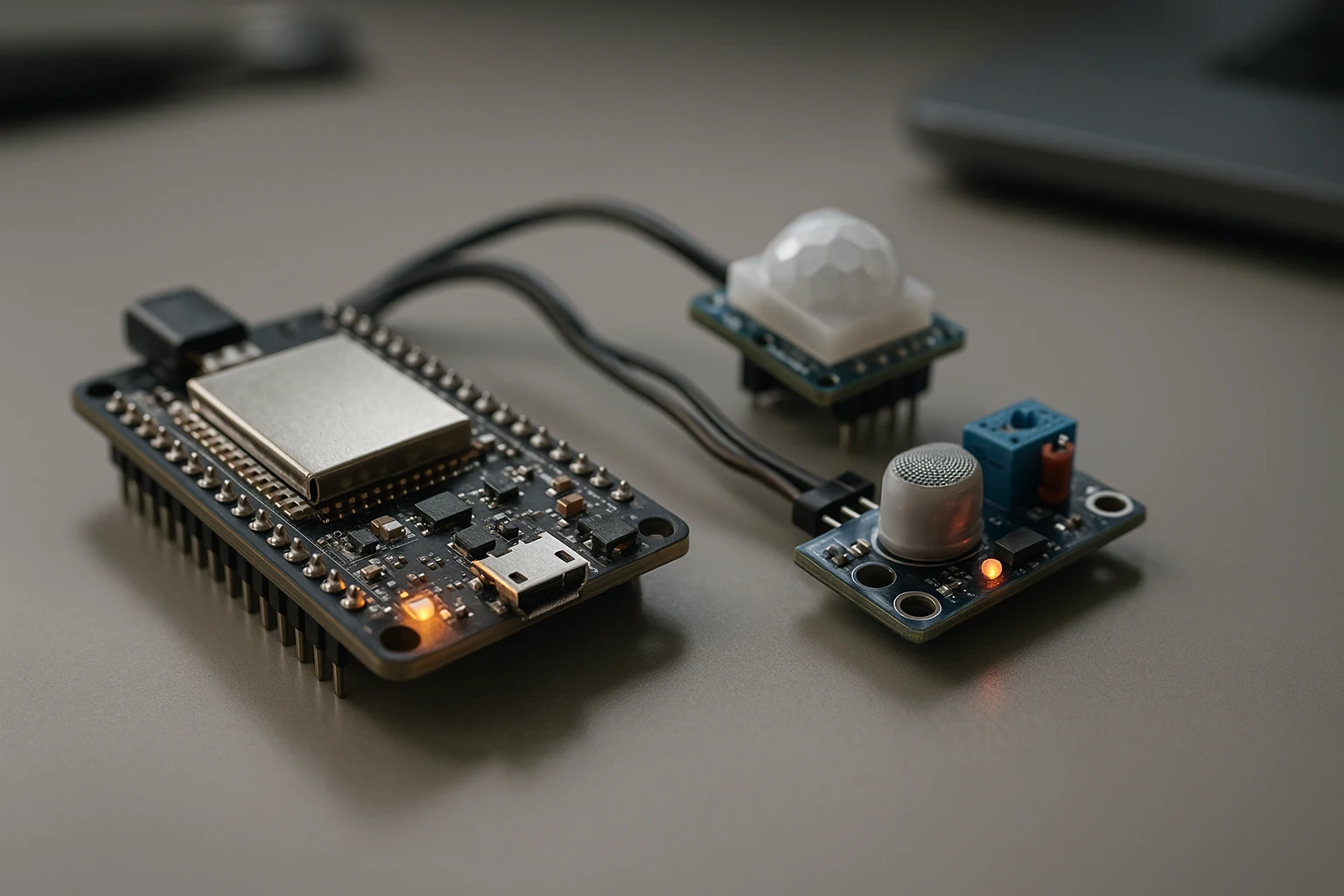
IoT projects show their real value when they solve everyday problems. Each solution uses different devices, sensors, and cloud tools, but the goal stays the same: make life easier and help systems work smarter. Below are a few real examples that show how IoT developers turn simple ideas into working solutions.
Smart home automation scenario
A smart home setup can adjust lights, temperature, and security without the user doing anything. The system reads data from sensors, checks the time of day, and responds to the user’s routine. For example, lights can turn on when someone enters a room or a thermostat can lower itself when no one is home.
What happens behind the scenes:
- Motion sensors detect movement
- The device sends updates to the cloud
- The system decides what action to take
- The home responds instantly
Industrial IoT sensor monitoring
Factories depend on machines that run for long hours, and even a small fault can stop production. IoT sensors help track heat, vibration, and speed so problems can be caught early. The developer designs the system to send alerts before a machine breaks, saving time and preventing loss.
This setup often includes:
- Sensors placed on machines
- Real-time data flowing to a dashboard
- Alerts sent when readings go beyond normal levels
Wearable health tracker system
Many people use wearable devices to check their heartbeat, steps, or sleep. These small tools watch the body all day and send helpful insights to the cloud. The developer builds the system so the device can collect accurate data and respond quickly if something unusual happens.
A wearable project may include:
- Tiny sensors that track movement and heart rate
- Cloud processing that reads patterns
- Easy dashboards that show daily progress
Smart agriculture irrigation control
Farms benefit from IoT by using sensors to check soil moisture, sunlight, or weather changes. When the soil becomes too dry, the system can turn on the water automatically. This saves water and helps crops grow better without constant manual checks.
Common parts of this system:
- Soil sensors added across the field
- Data sent to a central controller
- Automatic water flow when the soil needs moisture
Popular IoT Use Cases Across Industries
IoT systems appear in many industries, and each one uses them for different goals. Some need quick decisions, some want better safety, and others look for more efficiency. These use cases show how IoT helps in real everyday situations.
- Smart homes: Homes use smart lights, thermostats, security cameras, and voice assistants. These devices adjust themselves, save energy, and make daily living more comfortable.
- Industrial IoT (IIoT): Factories use sensors to track machine health, measure heat or vibration, and alert teams before a breakdown happens. This keeps production smooth and reduces downtime.
- Healthcare and wearables: Small devices monitor heart rate, sleep, steps, or oxygen levels. Hospitals and families get live updates, helping them respond quickly when needed.
- Transportation and automotive: Vehicles use IoT to check engine condition, track routes, and improve driving safety. Fleet systems use this data to cut fuel costs and plan better routes.
- Smart city infrastructure: Cities use connected tools to manage traffic lights, streetlights, waste systems, and safety alerts. These systems reduce energy use and make public services faster.
- Agriculture technology: Farms use soil sensors, weather readers, and automated irrigation. The system waters only when needed, helping crops grow better while saving water.
Career Path, Certifications & Future Trends
IoT development has become a strong career option because almost every industry now depends on connected devices. People who enjoy solving problems, working with small hardware, and building systems that respond in real time can grow quickly in this field. With the right mix of learning and practice, even beginners can move toward a stable and future-ready career.
As this field expands, companies look for developers who understand sensors, networks, and cloud platforms. Good training, practical projects, and recognized certifications help beginners stand out and build confidence as they develop real skills.
How To Become an IoT Developer
People enter IoT development through different paths, but most start by learning the basics of programming and understanding how devices behave. Languages like Python or C help build a strong base because they are used in many IoT projects. Once the basics are clear, learning how sensors collect data, how networks connect devices, and how cloud systems handle information becomes easier.
Learners usually grow through two main routes:
- Education routes: Degrees in computer science, electrical engineering, or related fields help build a clear understanding of both hardware and software.
- Bootcamps and hands-on projects: Short courses and practical projects make learning faster. Building simple tools like a temperature monitor or a motion alert system teaches real skills that matter in IoT.
Real improvement comes from experimenting. Each small project gives more confidence and prepares the learner for bigger systems.
Recommended Certifications
Certifications help developers show that they understand IoT from device to cloud. These credentials make it easier to apply for jobs because they give proof of practical skills.
Useful certifications include:
- AWS IoT: Covers connecting devices, handling data, and using cloud tools for automation.
- Azure IoT Developer: Focuses on building IoT solutions using Microsoft’s cloud services.
- Google IoT credentials: Explains device communication, data pipelines, and cloud processing.
- IoT security certifications: Teaches how to protect devices, stop attacks, and keep data safe.
Each certification adds a new layer of knowledge and gives developers more opportunities to grow.
Future Trends in IoT Development
IoT continues to evolve as new technologies change how devices work. These improvements make systems faster, smarter, and safer, giving developers many new tools to work with.
Major trends shaping the future include:
- AI + IoT (AIoT): Devices will use machine learning to make decisions on their own.
- Growth of 5G applications: Faster networks will support instant updates and smoother communication.
- Edge computing advancements: More tasks will run close to the device, reducing delays.
- Rising importance of cybersecurity: As more devices connect, protecting them becomes the top priority.
These trends show that IoT will keep expanding, and developers who stay updated will always find strong career opportunities.
Conclusion
IoT has become a key part of modern life, and the work of an IoT developer makes all of it possible. From small sensors to large connected systems, these developers bring ideas to life and help devices talk, react, and work together. Their role touches many industries and keeps growing as new tools and technologies appear.
For anyone interested in this field, the path is open. With steady learning, hands-on practice, and the right certifications, beginners can build strong skills and grow into reliable professionals. As AI, edge computing, and 5G continue to advance, the future of IoT offers even more chances to create smart solutions that make life easier and industries safer.
IoT development isn’t just about devices. It’s about shaping a smarter, faster, and more connected world, one system at a time.
FAQs About IoT Developers
What skills do you need to become an IoT developer?
You need basic programming skills, understanding of sensors, network knowledge, and comfort with cloud tools. Hands-on practice is the most important part.
Is IoT development a good career in today’s tech world?
Yes. IoT is growing fast, and companies in many industries need developers who can build connected systems.
Do IoT developers work with both hardware and software?
Most of the time, yes. They handle sensors, boards, code, cloud setup, and data flow to keep the system working smoothly.
How much do IoT developers earn in the USA?
Salaries vary, but many developers earn between mid to high ranges depending on experience, skills, and the industry they work in.
Can beginners start learning IoT without expensive equipment?
Yes. Many small IoT projects can be built using low-cost boards and free cloud tools. Basic projects are enough to start learning.